Timing matters with neurotoxin treatments. If you plan your Botox appointment around your calendar, your skin, and the seasons, you stack the odds in favor of smoother results, fewer surprises, and better photos when it counts. Patients who treat Botox as a year-round strategy rather than a one-off fix usually look more natural and feel less rushed before big events. I have treated executives who plan doses around annual conferences, brides who coordinate touch ups with dress fittings, teachers who refresh at winter break, and marathoners who schedule around training blocks. The principles are the same: understand how Botox behaves, then line it up with your life and the weather.
How the timeline of Botox really works
Botox injections begin to soften movement in 3 to 5 days, reach a clear effect by day 7 to 10, and peak around the 2 week mark. The effect gradually tapers after 2 to 3 months and is typically gone by 3 to 4 months, though metabolism, dose, and the muscle’s baseline strength can shorten or extend that window. Some people hold a light result to month 5 or even 6, while others, particularly very active patients or those with robust frown muscles, sit closer to 10 to 12 weeks.
This timeline is why the two week follow up exists. It is the right moment to assess symmetry, expression, and dose. A micro touch up at this visit, if needed, often uses 2 to 6 units spread across a few points.
Dosing drives both onset feel and longevity. A subtle Baby Botox approach - for instance, 6 to 10 units across the forehead - looks airy but often fades by 8 to 10 weeks. A full corrective dose, such as 15 to 25 units for glabellar lines between the brows, or 6 to 12 units per side for crow’s feet, tends to hold longer. If you want brows lifted for a gala or 11s softened for headshots, aim to be two weeks out from your event, not two days. For first timers who need tweaks to hit their sweet spot, I prefer four weeks before a major event to leave room for refinement.
Seasonal forces that change the Botox conversation
Weather and lifestyle shift across the year, and those shifts affect how you schedule. UV exposure, sweat and humidity, allergy flare ups, holidays, and travel plans all push and pull on the calendar.
Summer brings blunt sunlight and outdoor time. People frown more in bright light, squint at the pool, and sweat through early workouts. If you hope to prevent summer squint lines or manage underarm sweating, spring is the prime time to act. Winter adds dry air and indoor heat, which accent fingerprints around the eyes and mouth. The holiday season adds photography, reunions, and stress. Spring and fall often include weddings, graduations, and professional conferences. Each season rewards a different rhythm.
Spring: the smart warm-up
Spring is when I see two distinct groups. The first plans for summer photos, beach time, and outdoor weddings. The second treats allergies that make them squint and furrow for weeks.
If summer is your high-visibility season, schedule Botox treatment in late April or May so your June and July photos show softened crow’s feet and a relaxed brow. This applies to Botox for forehead lines, Botox for frown lines, and a touch of Botox for crow’s feet near the outer eye area. For patients seeking a preventive result, Baby Botox or Micro Botox can keep expression fresh without flattening. To support brow shape, a conservative Botox brow lift in spring can arc the tail without freezing your look in sunglasses.
Allergy sufferers sometimes underestimate the micro-trauma of a month of sneezing. They squint, then rub, then squint more, and glabellar lines deepen. A well placed neuromodulator dose in March or April softens that reflex squint, especially for those who get gridlocked vertical 11s every pollen season. Combine it with antihistamines and sunglasses, and your before and after photos later in the year will show smoother skin.
Travel matters too. If you have spring travel, get treated at least a week before long flights to avoid the immediate post-procedure period. You are not grounded after a Botox session, but it is sensible to avoid pressure changes and heavy lifting the same day, and to keep the head upright for several hours. That advice is season-agnostic, yet easier to follow when you are not sprinting through an airport.
Summer: plan ahead and protect
Summer scheduling functions like meal prep. You decide what you want to look like in July and August, and you book in May or early June. Botox takes days to express its full effect, and once you are in the thick of vacations and heat, you will not want downtime, even if the downtime is minimal.
Heat itself does not deactivate Botox. The bigger issue is what heat pushes you to do. People sit in hot yoga the day after injections, forget their hat, and rub sunscreen over fresh injection points with too much pressure. I try to see summer patients earlier in the week, with 24 hours before high-intensity exercise. Swimming is fine the next day. Saunas and sticking your face in a massage cradle are not great in the first 24 hours.
Summer is the right time to remember non-cosmetic uses. Botox for excessive sweating, also known as treatment for hyperhidrosis, can be a game changer. Underarm Botox requires a series of shots in a grid-like pattern and often lasts 4 to 6 months, sometimes longer. Scheduling in late spring blocks the worst of summer sweat. I have cyclists who schedule at the first 80-degree day and teachers who book as soon as school lets out.
If you spend months under bright sun, the muscles that drive crow’s feet and bunny lines work overtime. That is fine, but be honest with your injector. If you are a tennis coach or a lifeguard, you may need a few more Botox units around the eyes and nose to counteract the burst of squinting. This is not one-size-fits-all. A writer who mostly works botox indoors with afternoon walks will not need the same intensity.
Fall: reset, refine, and stack wisely
Fall is the reset season. After summer travel and sun, skin care and injectable plans often get more strategic. If you want steady Botox longevity through holiday photos, book early October. That timeline puts your peak effect in late October to mid November, which dovetails with early family photos and most office parties.
Fall is also where combination treatments make sense. Botox and filler are different tools. Neuromodulators relax movement; dermal fillers lift and contour. If you want a midface refresh or lip shape adjustment, early fall lets you space treatments so swelling and settling finish before your busiest month. I tend to stage neuromodulator treatment first, then filler one to two weeks later. This way your facial dynamics are set before you add volume, and your provider can use more precise filler amounts.
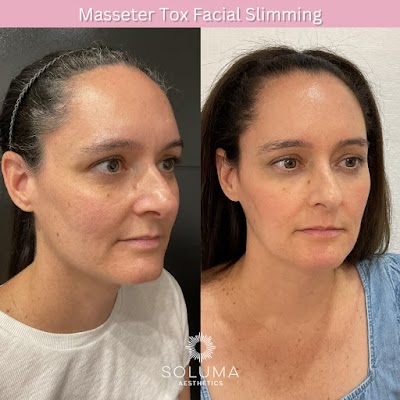
Grinding and jaw clenching often increase with back-to-school stress and darker evenings. Botox for TMJ symptoms, teeth grinding, or bruxism involves dosing along the masseters and sometimes the temporalis muscles. Patients often need 20 to 30 units per side to start, then taper once the muscle softens. With proper timing, the result includes jaw pain relief and, in some cases, a softer lower face contour over months. If your goal is jawline slimming, set expectations. It typically takes two to three sessions, spaced about 12 weeks apart, to see visible changes in width.
Winter: photos, parties, and steady maintenance
Winter is for cameras and central heating, which together show every expression line and fine crease. The most reliable holiday timeline is simple: aim to be at peak effect two weeks before your biggest event. That might mean a Botox appointment right after Thanksgiving for early to mid December parties. If you are a First time Botox patient or a Botox beginner, book four weeks out to allow for a two week check and fine tuning.

Dry air etches lines around the mouth and under the eyes. A small dose of Botox for lip lines or a precise lip flip can help lipstick sit more cleanly and soften a gummy smile in photos. Go lightly. The muscle around the mouth needs to function for drinking, speaking, and eating, so doses here stay conservative. Under eyes are a tricky zone that require an experienced injector who understands anatomy and dose restraint; sometimes skin quality procedures or filler are better choices for that area than neuromodulators.
Winter is also popular for male patients, often labeled Brotox in marketing. The goals are similar, but dosing may differ because male frontalis and corrugator muscles tend to be stronger. A heavier frown line dose, for example, and a slightly different injection pattern at the lateral brow can keep expression while avoiding a rounded, surprised look in photos.
Event countdowns that actually work
Patients ask for a simple plan they can reuse for graduations, milestone birthdays, and professional headshots. Here is a timeline I give busy people who cannot babysit a calendar app.
- Four weeks before: Consultation if you are new or your goals changed. If you are established, this is the buffer that lets you handle travel or illness without losing your window. Two to three weeks before: Botox session for frown lines, forehead, crow’s feet, brow lift, bunny lines, or tailored areas like chin dimpling and neck bands. This is the sweet spot for onset and tweak time. Ten to fourteen days before: Quick check. Minor touch up if needed. Finalize brows and symmetry. Three to five days before: Pause intense new workouts. Keep skincare simple. No new lasers or peels. Focus on sleep and hydration. Day of event: Light makeup and SPF if outdoors. Do not overthink. Your expression should feel natural.
How much does Botox cost, and how many units do I need
Cost varies by region and by injector expertise. Botox price is typically charged per unit. In the United States, the Botox cost per unit often falls between 10 and 20 dollars. Some clinics price by area, others by unit, and you will see Botox deals, Botox specials, and seasonal Botox discounts. Affordable Botox is not the same as cheap Botox. You want a top Botox injector who knows how to dose for your anatomy, not a bargain that risks mismatched brows or a heavy forehead before important photos.
Typical ranges for common areas help frame expectations. Forehead lines, when treated safely in concert with the glabella, might use 10 to 20 units. Glabellar lines, also called 11s or glabellar lines, often take 15 to 25 units. Crow’s feet generally respond to 6 to 12 units per side. A brow lift effect might add 2 to 4 units per side at the tail. Chin dimpling can smooth with 4 to 10 units in the mentalis. Neck bands and neck wrinkles, often treated as platysmal bands, take more planning and can require 20 to 50 units spread in a pattern. For jaw slimming, plan on 20 to 30 units per side initially, then adjust. These are averages, not prescriptions. Your Botox dermatologist, plastic surgeon, or experienced Botox nurse injector will map a plan after watching your expressions and palpating muscle strength.
Choosing timing by season: a quick guide
If you want a cheat sheet that folds the above into the calendar, this is the one I keep on a whiteboard in clinic. It is a starting point, not a rulebook.
- Spring: Treat in March or April for allergy squint control and a brow lift or crow’s feet smoothing before outdoor season. For Botox for hyperhidrosis, get underarms done by late spring. Summer: Book early June for photos in July and August. Protect injection points from heavy massage and extreme heat the first day. Reapply SPF and wear a brimmed hat to minimize squinting. Fall: Refresh in early October to look polished for early holiday photos. Stack Botox first, filler later. Consider TMJ or masseter dosing if stress or clenching rises. Winter: For parties or family photos, aim to peak two weeks before. Keep doses around the mouth modest to preserve function. Men may need slightly higher units. Year-round: Maintain every 3 to 4 months if you like steady results. If you are budget planning, two to three sessions per year still make a visible difference.
What about Botox for migraines or neck pain
For migraine management, Botox follows a protocol that is more medical than cosmetic. It uses multiple injections across the forehead, temples, back of the head, neck, and shoulders at specific points. The schedule is standardized at about every 12 weeks. Seasonal planning still applies because migraine triggers can be seasonal. Bright summer light, barometric changes in fall, and winter dehydration all nudge frequency. Staying on schedule through holiday travel is the single best strategy. If you are due near a trip, try to anchor the session a week prior.
Neck pain linked to tight bands or tension can improve with carefully placed injections in the neck muscles, but this is not the same as a cosmetic neck band plan. You need a provider who does both, who understands the safe dose and depth to avoid swallowing or head control issues. Discuss swim or ski trips, since sustained head position in goggles or helmets in the first day after treatment is not ideal.
Preventative Botox, Baby Botox, and Micro Botox across the year
Preventative Botox aims to keep dynamic lines from etching in permanently. In practice, that means very light dosing two to three times per year to interrupt the strongest fold patterns at the frown, forehead, and crow’s feet. Baby Botox and Micro Botox are application styles that spread smaller units more superficially to preserve motion. These approaches shine in spring and fall when social calendars are busy but you still want to look like yourself. The trade off is longevity. Light dosing fades faster. If you plan a three month photo stretch, ask your injector to calibrate. A little more up front can spare you a last-minute session when your calendar is packed.
Scheduling around skincare, lasers, and filler
Seasonal planning gets easier when you sequence treatments logically. I prefer to avoid significant facials, exfoliating peels, or aggressive microdermabrasion for 24 to 48 hours after a Botox procedure. Lasers and radiofrequency devices can pair beautifully with neuromodulators, but not on the same day, and I avoid passing heat directly over fresh injection sites that week. If you plan a non-surgical facelift effect with combination injectables, do neuromodulators first, filler second, and energy devices last, with one to two weeks between each. This keeps swelling, bruising, and photoshoot timing under control.
Aftercare matters more than the month on the calendar
No season exempts you from sensible aftercare. Keep the head upright for 4 hours. Avoid rubbing or heavy pressure on the treated areas the day of your Botox session. Skip high-heat environments and strenuous workouts for 24 hours. Light walking is fine. If you bruise easily, ice with a clean cloth in short intervals, and do not use blood-thinning supplements right before a planned treatment without medical guidance. Makeup is safe later the same day if you apply it gently. These habits do not change whether it is July or January, although summer adds a layer of sunscreen discipline and winter adds a focus on moisturizer.
Safety, side effects, and choosing a provider
Botox cosmetic is well studied and has a long track record. Common side effects are mild and short lived: small injection site bumps for 10 to 20 minutes, occasional pinpoint bruises, and a transient headache. Less common effects include eyelid or brow heaviness if product spreads or if the injection pattern does not match your anatomy. Precise mapping, conservative initial dosing, and a two week check substantially lower that risk.
Finding Botox near me will surface a flood of options. Credentials and experience matter more than zip code. Look for a Botox clinic that welcomes a consultation, watches your expressions, explains Botox units and dose choices, and sets realistic expectations for Botox results and Botox longevity. If a provider promises zero wrinkles with total movement for half the market rate, proceed cautiously. When you care how you look during a specific season or event, you want a steady hand, not a gamble.
The special cases: lips, brows, and neck
Small areas can have an outsized seasonal impact. A Botox lip flip, where tiny doses relax the upper lip to reveal a bit more pink, is best scheduled 2 to 3 weeks before photos. It looks natural when subtle. A heavy hand can affect your ability to purse a straw, which is exactly what you will want at a summer beach bar. For a gummy smile, micro dosing the elevator muscles softens gum show without blunting expression.
Brow shape changes with tiny decisions. If someone wants a winter eyebrow lift effect for parties, placing a couple of units to relax the muscles that drag the tail downward creates a clean arc without the frozen look that guests notice at close range. Neck bands respond to careful platysma mapping. The schedule follows your event calendar the same way face dosing does, with two weeks to peak.
Women, men, and age ranges
Botox for women and Botox for men share core principles with nuanced differences. Men often need higher doses in the frown complex and sometimes prefer less arch in the lateral brow. Women often prioritize crow’s feet smoothing and a subtle lift at the tail of the brow for photos. In your 20s, Preventative Botox is a light touch a couple of times a year. In your 30s, doses climb a bit as lines deepen and life gets busier. In your 40s and 50s, the conversation often expands to include skin quality and volume, and Botox maintenance every 3 to 4 months becomes the norm for consistent results.
How to think about maintenance without living at the clinic
You do not need to treat four times a year to look good. Many patients do well with three sessions, or even two, if they plan around their personal high seasons. A teacher might treat in August and December. A sales executive might anchor treatments in March for spring conferences and in September for Q4 events. Runners often prefer early spring and fall when training intensity shifts. If budget is the constraint, tell your provider your top two months of visibility, and build the plan around them. A skilled injector can allocate Botox dose to your most expressive areas for high yield.
What about alternatives
Botox vs Dysport vs Xeomin vs Jeuveau is a common question. All are neuromodulators with similar mechanisms. Onset and spread vary slightly. Some patients feel Dysport kicks in faster, others prefer the tight feel of Botox. If you plan seasonally, these differences rarely change the calendar more than a couple of days. If you have tried one and felt it wore off too fast or felt too heavy, you can test another during a less photo-critical season, such as late winter, then lock in your preference for spring and summer.
Final thoughts on timing that respects real life
Good scheduling looks mundane on paper yet feels liberating in practice. Think of your year in three to four anchor points. Add two weeks before anything that will be photographed. Use spring to prepare for sun, fall to recalibrate, and winter to polish. If migraines or sweating change the equation, follow the medical interval first, then layer cosmetic zones as your calendar allows.
The last practical tip is simple. Book your next Botox appointment before you leave the clinic. If you like flexibility, set a soft hold six weeks ahead of your estimated need. When life gets busy, a placeholder is the difference between smooth skin at the company gala and sprinting to find a last-minute opening. Your face, and your photos, will thank you.